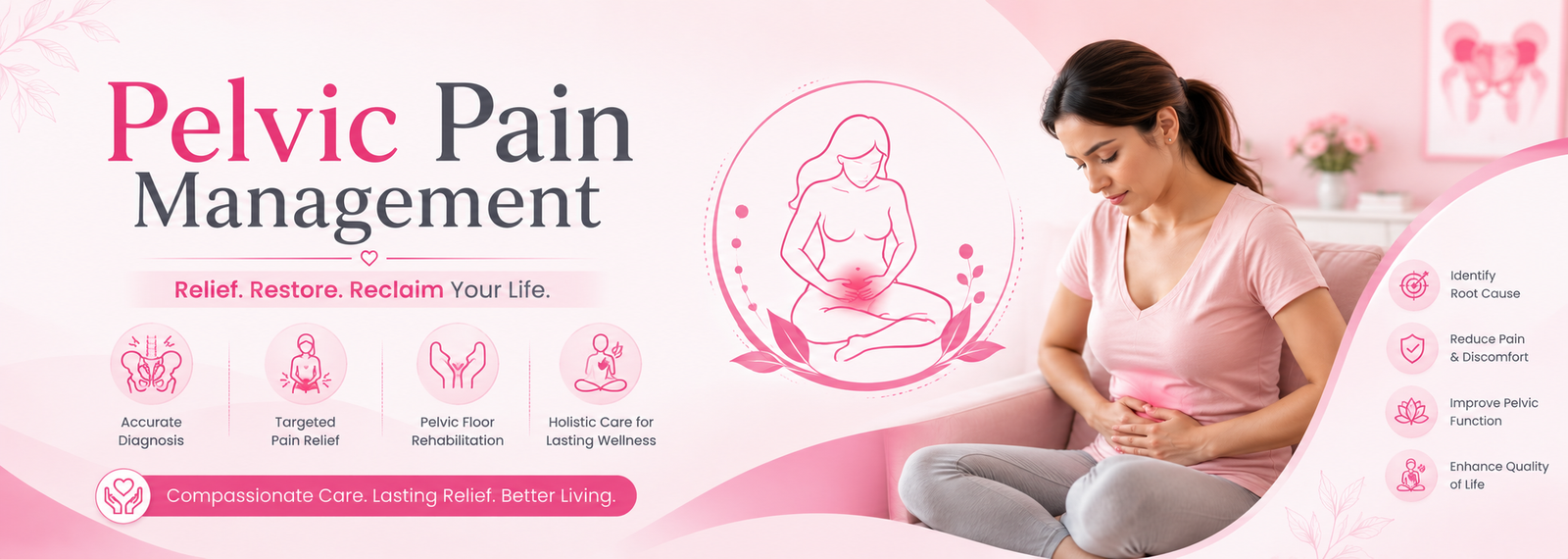
Living with pain for weeks is difficult. Living with it for months—or longer—can affect almost every part of your life.
Chronic pelvic pain can make it harder to work, exercise, sleep, socialise, or enjoy intimacy. You may have seen different healthcare professionals, undergone tests, or received conflicting explanations. Sometimes, the most frustrating part is not having a clear answer for why you're still in pain.
Your pain is real, even when the answer isn't simple.
Chronic pelvic pain is complex. It can involve the reproductive system, bladder, bowel, muscles, nerves, or several factors at the same time. For this reason, effective care may involve more than one healthcare professional and more than one approach to treatment.
At Pelvicare, we provide individualised pelvic health physiotherapy for people experiencing persistent pelvic pain, while recognising when medical assessment or support from other specialists is an important part of your care.
Book a Pelvic Health Assessment
What Is Chronic Pelvic Pain?
Chronic pelvic pain is generally defined as pain in the pelvic area that lasts for six months or longer.
The pain may be constant or come and go. It does not need to occur every day to be considered chronic. For some people, symptoms follow a pattern—for example, around menstruation or certain activities—while others experience pain without a predictable pattern.
Chronic pelvic pain is a symptom, not a diagnosis.
That means the focus should not simply be on asking, “Where does it hurt?” but also understanding:
• When and how the pain began
• How long it has been present
• What seems to make it better or worse
• How it affects your daily life
• Whether it is related to your menstrual cycle
• Whether bladder or bowel function is involved
• Whether movement or sexual activity affects your symptoms
• Your medical history and previous investigations
Understanding the full picture matters because persistent pelvic pain rarely has a one-size-fits-all explanation or solution.
What Does Chronic Pelvic Pain Feel Like?
Chronic pelvic pain can feel different for every person.
You may experience:
• A persistent ache or heaviness in the pelvis
• Sharp, stabbing, burning, or cramping pain
• Pain that comes and goes
• Pain in the lower abdomen, pelvis, lower back, hips, or genital area
• Pain that changes around your menstrual cycle
• Pain during or after sexual activity
• Discomfort associated with bladder or bowel function
• Pain that makes movement or exercise difficult
The way pain feels can provide useful information, but symptoms alone cannot identify the cause.
Two people with similar pain may have very different underlying contributors—which is why individual assessment is so important.
What Can Cause Chronic Pelvic Pain?
There is no single cause of chronic pelvic pain.
Possible contributors can involve different systems of the body, and more than one condition or factor may be present at the same time. Medical conditions associated with pelvic pain can involve the reproductive organs, urinary tract, bowel, musculoskeletal system, or nervous system.
Depending on your individual symptoms, possible contributors may include:
• Endometriosis or other gynaecological conditions
• Painful periods
• Bladder conditions
• Bowel conditions, including irritable bowel syndrome
• Pelvic floor muscle dysfunction
• Musculoskeletal pain involving the hips, pelvis, or lower back
• Nerve-related pain
• Previous surgery or injury
• Persistent changes in the body's pain response
This does not mean that everyone with chronic pelvic pain has one of these conditions. A proper medical assessment is important when investigating persistent or unexplained symptoms.
Why Can Pelvic Pain Become Persistent?
Persistent pain can be more complex than an injury that simply takes longer to heal.
Over time, the muscles, nerves, and nervous system can become involved in the overall experience of pain. This does not mean the pain is imaginary or “all in your head.”
It means pain is a real biological experience that can be influenced by multiple physical and nervous system processes. Some people with chronic pelvic pain benefit from a broader approach that addresses the different factors contributing to their symptoms.
You don't need to choose between a “physical” explanation and a broader understanding of pain. Both can be important.
When Can Pelvic Health Physiotherapy Help?
Pelvic health physiotherapy may be a helpful part of care for some people with chronic pelvic pain, particularly when pelvic floor, musculoskeletal, movement, or physical function factors are contributing to their symptoms.
You may consider a pelvic health assessment if your pain is:
• Affecting your work, exercise, sleep, or everyday activities
• Making movement feel difficult or frightening
• Associated with pelvic floor symptoms
• Accompanied by muscle tension or difficulty relaxing
• Affecting intimacy or sexual wellbeing
• Continuing despite initial treatment
• Affecting your confidence in your body
Chronic pelvic pain may require a multidisciplinary approach involving medical specialists, physiotherapists, pain specialists, and other appropriate healthcare professionals.
Physiotherapy is not about claiming that every pelvic pain problem can be “fixed” through exercise. It's about understanding whether physical rehabilitation can be a useful part of your individual care.
Our Approach to Chronic Pelvic Pain
At Pelvicare, we understand that when you've been in pain for a long time, another generic exercise sheet isn't always what you need.
We begin by listening to your experience.
Your assessment focuses on understanding how your pain behaves, how it affects your life, and whether pelvic health physiotherapy is appropriate for your individual situation.
Your Assessment May Include:
Understanding Your Pain Experience
We'll discuss when your symptoms began, where you feel pain, how it affects your daily life, and any patterns you have noticed.
Medical & Health History
Your previous diagnoses, investigations, treatments, and overall health are important. Physiotherapy works alongside appropriate medical care rather than replacing medical diagnosis.
Movement & Physical Function
Where appropriate, we may assess movement and physical activities that are relevant to your symptoms and goals.
Pelvic Floor Assessment
A pelvic floor assessment may be considered when clinically appropriate and only with your informed consent. The assessment can help us understand function, coordination, relaxation, and other factors relevant to your symptoms.
Individualised Rehabilitation
Where physiotherapy is appropriate, your programme may include education, movement strategies, exercises, approaches to improve physical function, and techniques tailored to your needs.
Working Alongside Your Healthcare Team
If further medical assessment or referral is needed, we can help you understand the appropriate next steps.
Your care should always be collaborative. You remain informed and in control of decisions about your body and treatment.
Chronic Pelvic Pain and the Pelvic Floor
The pelvic floor can play a role in chronic pelvic pain, but it is important not to assume that the pelvic floor is always the cause.
Some people experience changes in pelvic floor muscle function, sensitivity, coordination, or the ability to relax. These factors may contribute to symptoms or develop alongside other medical conditions.
For others, pelvic floor factors may not be the primary contributor at all.
A qualified assessment helps avoid the common mistake of treating every pelvic pain problem with the same solution.
More pelvic floor exercises are not automatically better. The right approach depends on your individual assessment.
Related support: [Deep Pelvic Pain] and [Pelvic Floor Dysfunction] (link to these pages when published).
Chronic Pelvic Pain and Sexual Activity
Persistent pelvic pain can affect intimacy and sexual wellbeing.
Some people experience pain during or after sexual activity, while others may begin avoiding intimacy because they are afraid of triggering symptoms.
Pain during sex can have multiple possible contributors and deserves appropriate assessment rather than being ignored or pushed through.
Pelvic health physiotherapy may be helpful when pelvic floor or musculoskeletal factors are involved, but medical causes should also be considered where appropriate.
Related support: [Deep Pelvic Pain] and [Painful Sex / Dyspareunia] (link when available).
You should never feel pressured to continue an activity that causes you pain.
What Can I Do While Seeking Help for Chronic Pelvic Pain?
When pain has been present for a long time, it can be tempting to search for one treatment that promises a complete cure.
Unfortunately, chronic pelvic pain is often more complex than that.
Helpful next steps may include:
• Seeking appropriate medical assessment
• Keeping a record of your symptoms and patterns
• Noticing how pain affects your daily activities
• Discussing your concerns openly with your healthcare team
• Avoiding repeatedly pushing through significant pain
• Considering whether a multidisciplinary approach is appropriate
A pain or symptom diary can help identify patterns related to menstruation, eating, bladder or bowel function, physical activity, sleep, or sexual activity.
You don't need to understand the exact cause of your pain before asking for support.
When Should You See a Doctor?
Persistent pelvic pain should be assessed by an appropriately qualified healthcare professional, particularly if the cause is unknown or your symptoms are changing.
Seek medical advice if you experience:
• New or unexplained pelvic pain
• Pain that is persistent or worsening
• Significant changes to your menstrual cycle
• Pain associated with bladder or bowel changes
• Unusual vaginal bleeding or discharge
• Pain that is significantly affecting your quality of life
Seek urgent medical attention for sudden severe pelvic or abdominal pain, particularly if it is accompanied by heavy bleeding, fainting, fever, vomiting, or feeling seriously unwell.
If you are pregnant or may be pregnant and experience pelvic or abdominal pain, seek appropriate medical advice promptly.
When in doubt, don't self-diagnose persistent pelvic pain—get appropriate medical guidance.
Frequently Asked Questions
What is considered chronic pelvic pain?
Chronic pelvic pain generally refers to pain in the pelvic area that lasts for six months or longer. The pain can be constant or intermittent and does not need to occur every day.
What causes chronic pelvic pain in women?
Chronic pelvic pain can have many possible contributors, including gynaecological, urinary, bowel, musculoskeletal, and nervous system conditions. More than one factor may contribute to a person's symptoms.
Can chronic pelvic pain be treated?
Yes, treatment and symptom management options are available, although there is no single treatment that works for everyone. Care may focus on an identified underlying condition or on reducing pain and its impact on daily life through an individualised approach.
Can pelvic floor physiotherapy help chronic pelvic pain?
Pelvic health physiotherapy may help some people with chronic pelvic pain, particularly when pelvic floor or musculoskeletal factors are contributing to symptoms. It may form one part of a broader treatment plan.
Why do I still have pelvic pain when my tests are normal?
Normal test results do not mean that your pain isn't real. Chronic pelvic pain can have multiple contributors, and sometimes a single underlying cause is not identified. Treatment and support may still be available even when testing does not provide one simple explanation.
Is chronic pelvic pain the same as endometriosis?
No. Endometriosis is one medical condition that can be associated with chronic pelvic pain, but chronic pelvic pain itself is a symptom that can have different causes. Endometriosis should be diagnosed and managed by an appropriately qualified medical professional.
You Deserve Support That Looks at the Whole Picture
Chronic pelvic pain can be exhausting. It can change how you move, how you feel about your body, and how confidently you live your everyday life.
But you don't have to accept being dismissed simply because your pain is complex.
There may not always be one explanation or one treatment but there can still be a path forward.
At Pelvicare, we take an individual, respectful approach to pelvic health physiotherapy and work within the wider picture of your healthcare needs. When physiotherapy is appropriate, our goal is to support your comfort, movement, physical function, and quality of life.
Take the First Step Towards Understanding Your Pelvic Pain
Book a Pelvic Health Assessment
This information is intended for general educational purposes and does not replace individual medical advice, diagnosis, or treatment. Persistent, worsening, or unexplained pelvic pain should be assessed by an appropriately qualified healthcare professional.
Other Pelvic Pain Management treatments
Ready to Take the Next Step?
Schedule a consultation to discuss your specific needs.
Book Appointment