Breathing Exercises for Postpartum Recovery

How Breathwork Heals Your Pelvic Floor, Core, and Mind After Delivery
Postpartum Wellness | 9 min read
Written by Dr. Sheetal Jain PT Women's Health Physiotherapist | Pelvicare Health Specialist in postpartum rehabilitation, pelvic floor recovery, and women's musculoskeletal health Medically reviewed by Dr. Sunita Patel (PT), Founder, Pelvicare Health
Most new mothers are handed a list of exercises at their six-week check and sent home. What they are almost never told is that before any of those exercises, before any core work or pelvic floor training, the single most powerful postpartum recovery tool is already with them — their breath.
After birth, your body has completed one of the most extraordinary feats in human physiology. Before you reach for a fitness programme or a supplement, consider the healing tool you already carry with you: your breath.
The postpartum period — commonly defined as the first year after birth — is a time of radical transformation. Hormones plummet, tissues heal, sleep disappears, and your entire identity reshapes itself around a new human being. Amid this upheaval, breathwork offers something quietly radical: a way to regulate your nervous system, reconnect with your body, and begin healing from the inside out — available to you at any moment, at no cost.
This is not about achieving a perfect meditation practice or carving out an hour of silence. Breathwork, in the postpartum context, is a practical, evidence-informed tool that can be woven into the moments you already have.
What Is Breathwork and Why Does It Matter After Delivery?
Breathwork is the intentional practice of controlling your breathing pattern to influence your physical and emotional state. Unlike passive breathing, conscious breathwork activates the parasympathetic nervous system — the branch responsible for rest, digestion, and recovery — by stimulating the vagus nerve through slow, diaphragmatic breathing.
This matters enormously in the postpartum period. New mothers spend significant time in a state of sympathetic activation — the "fight or flight" response — driven by sleep deprivation, newborn demands, physical pain, hormonal shifts, and the psychological weight of new parenthood.
Chronic sympathetic activation elevates cortisol, impairs tissue healing, disrupts digestion, and makes emotional regulation far harder.
Breathwork gives the postpartum body a physiological off switch — a way to interrupt the stress cycle and signal safety to the nervous system.
For mothers navigating postpartum anxiety, depression, or simply the ordinary exhaustion of new parenthood, that signal can be genuinely transformative.
In India, breathwork has deep roots in yogic tradition — pranayama has been practised for centuries as a tool for physical and mental balance. Modern research now confirms what traditional practice long understood: intentional breath regulation directly influences the nervous system, hormonal state, and physical recovery. For Indian mothers navigating the demands of new parenthood — often without adequate postpartum care or support systems — breathwork offers an accessible, free, and immediately effective tool.
How Diaphragmatic Breathing Heals the Pelvic Floor and Core After Delivery
Beyond its effects on the nervous system, breathwork plays a central role in physical recovery — and this is where many new mothers are surprised to learn just how deeply breath is connected to core rehabilitation.
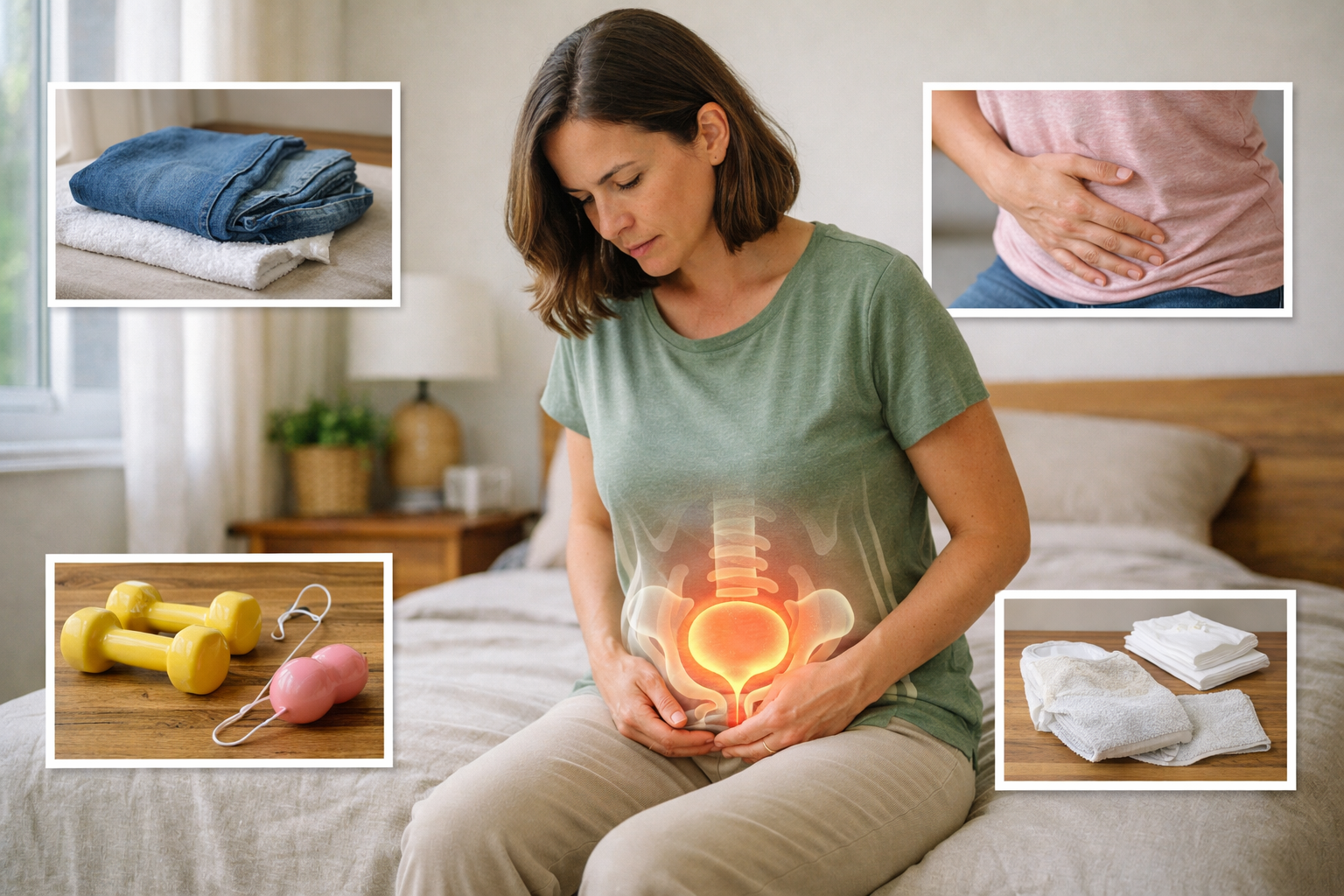
The diaphragm, deep abdominal muscles, pelvic floor, and multifidus (a deep back muscle) function as a coordinated pressure system. When you inhale, the diaphragm descends, intra-abdominal pressure increases slightly, and the pelvic floor gently lengthens downward. On the exhale, the diaphragm rises, pressure decreases, and the pelvic floor lifts. This rhythmic coordination is the foundation of core function.
During pregnancy, this system is significantly altered. The growing uterus displaces the diaphragm, redefines the abdominal muscles, and places sustained downward load on the pelvic floor. After birth — whether vaginal or by caesarean section — restoring this coordinated breathing pattern is the first step toward rebuilding functional core strength, far more foundational than any exercise programme.
Women with diastasis recti (abdominal separation), pelvic organ prolapse, or urinary incontinence — all extremely common postpartum conditions — are frequently advised by pelvic health physiotherapists to begin with diaphragmatic breathing before progressing to any strengthening work. Learning to breathe well is not a warm-up to recovery; it is recovery.
The body has adopted a postpartum breathing pattern to acclimatise the physical and emotional changes that has taken place to meet the bodily demands. It is not a wrong pattern but a different pattern — and therefore it is in your best interest to identify it, modify it, and make yourself comfortable to carry out daily chores where the cardiorespiratory system can work at its best.
Research published in Open Medicine (2025) confirmed that core muscle strength and stability-oriented breathing training significantly reduces inter-recti distance in postpartum women with diastasis recti — demonstrating that breathwork is not just a relaxation tool but a clinically measurable rehabilitation intervention. A 2025 review in the World Journal of Advanced Research and Reviews further found that
diaphragmatic breathing-based hypopressive exercises improved pelvic floor muscle strength and reduced urinary incontinence severity in postpartum women.
In simple terms: Diaphragmatic breathing after delivery directly trains the pelvic floor, reduces abdominal separation (diastasis recti), supports prolapse recovery, and decreases urinary leakage — before any other exercise is introduced. It is the first and most important step in postpartum core rehabilitation.
Breathing Exercises for Postpartum Anxiety and Depression
Postpartum mood disorders affect approximately one in five new mothers. Postpartum anxiety, though less widely discussed than postpartum depression, is actually the most common mood disorder in the perinatal period. Breathwork does not replace professional mental health support, but robust research supports its role as an adjunct tool.
Slow, extended exhalation breathing — breathing out for longer than you breathe in — is perhaps the most well-studied breathing technique for anxiety. The extended exhale increases vagal tone, slows the heart rate, and reduces the subjective experience of panic and overwhelm. For a mother in the midst of 3am anxiety, or the relentless sensory overload of early parenthood, this is a tool that works in real time.
Breathwork has also shown promise in reducing symptoms of depression by increasing heart rate variability (HRV) — a biomarker of autonomic nervous system resilience — and by reducing inflammatory markers associated with both mood disorders and the physiological stress of childbirth. Small, consistent practice appears to be more effective than infrequent intensive sessions.
A 2025 comprehensive review confirmed that most breathwork techniques share core neurophysiological mechanisms that benefit mental wellbeing regardless of the specific technique used — and that breathwork shows particular promise as both a preventive and adjunctive therapy for anxiety and depression. For Indian mothers, who often face significant social pressure to "be fine" and rarely have access to mental health support, breathwork offers a genuinely accessible first-line tool for emotional regulation.
The 2025 Canadian Postpartum Guidelines found that postpartum physical activity — including breathing-based movement — was linked to a 45% reduction in the odds of postpartum depression. Starting with breathwork requires no equipment, no gym, no childcare, and can begin within days of birth.
Postpartum Breathing Techniques — Four Methods to Start Today
The following techniques are appropriate for most women in the postpartum period. Always consult your midwife, GP, or pelvic health physiotherapist before beginning if you have had a complicated delivery, significant perineal trauma, or a diagnosed mood disorder.
4-7-8 Breathing — For Postpartum Anxiety and Sleep
Inhale for 4 counts, hold for 7, exhale for 8. The extended hold and long exhale strongly activate the parasympathetic system. Best used before sleep or in moments of acute anxiety.
Diaphragmatic Breathing — For Pelvic Floor and Core Recovery After Delivery
Place one hand on the belly, one on the chest. Breathe so only the belly hand rises. Practise in a reclined position initially. This is the foundation of all pelvic floor and core rehabilitation — and the first breathing exercise every postpartum woman should master before any other exercise.
How to do diaphragmatic breathing after delivery:
- Lie on your back with knees bent, or sit comfortably supported
- Place one hand on your chest and one hand on your belly
- Inhale slowly through your nose — your belly hand should rise, your chest hand should stay relatively still
- As you inhale, feel your pelvic floor gently descend and soften
- Exhale slowly through slightly parted lips — your belly hand lowers, and your pelvic floor gently lifts
- Practise 10 to 15 breaths, twice daily — during a feeding, before sleep, or upon waking
Physiological Sigh — The Fastest Stress-Relief Breath
Take a full inhale, then a short second inhale to fully inflate the lungs, then a long, slow exhale. Research from Stanford has identified this as the fastest single breath for reducing physiological stress. This technique is particularly useful during night wake-ups, before a difficult feeding session, or any moment of acute overwhelm. It takes under 30 seconds and has an immediate measurable effect on heart rate and cortisol.
Extended Exhale Breathing — For Postpartum Anxiety Relief
Inhale for 4 counts through the nose. Exhale for 6 to 8 counts through slightly parted lips. The exhale being longer than the inhale is the key mechanism — it directly increases vagal tone and slows the heart rate. For mothers experiencing postpartum anxiety, practising this for just 5 minutes produces measurable nervous system calming.
Breathing Exercises After C-Section — What Is Safe and Why It Helps
Women recovering from caesarean section often avoid deep belly breathing in the early weeks due to incision tenderness. This is understandable, but gentle diaphragmatic breathing is actually beneficial for caesarean recovery: it encourages circulation, reduces the risk of post-surgical complications, and begins to gently mobilise the diaphragm and surrounding fascia. In the immediate post-operative period, deep breathing is routinely recommended.
This is one of the most common questions asked by Indian mothers who have had a C-section: "Is it safe to do breathing exercises after my operation?"
The answer is yes — and in fact, gentle diaphragmatic breathing is one of the few forms of core reconnection that is both safe and beneficial from the very first days after a caesarean. Here is why:
- Scar tissue management: Gentle diaphragmatic breathing begins to mobilise the fascia around the incision site, reducing the risk of adhesions that can cause long-term abdominal restriction and pain
- Circulation: Deep breathing promotes blood flow and lymphatic drainage, supporting wound healing
- Core reactivation: The transverse abdominis gently activates on the exhale during diaphragmatic breathing, beginning core reconnection without any direct pressure on the incision
- Nervous system regulation: C-section is major surgery. The stress response following surgery is significant. Breathwork directly counteracts this by activating the parasympathetic nervous system
Start with very gentle belly breathing in the first 2 to 3 days. Progress to fuller diaphragmatic breathing as tenderness reduces. Always follow your surgeon's guidance and consult a women's health physiotherapist for a safe, progressive postpartum rehabilitation plan after C-section.
How to Practise Breathwork as a New Mother — Real-Life Integration
The most common obstacle for new mothers is time — or the perception that breathwork requires a dedicated, quiet session. It does not. The most effective postpartum breathwork practice is one that integrates into existing moments.
Feeding sessions are a natural anchor point. Whether you are breastfeeding or bottle-feeding, you are already sitting or reclining with a relatively still body for extended periods. Using a feeding as an opportunity for ten to twenty deliberate diaphragmatic breaths is entirely practical and can shift your state significantly over time.
Night wake-ups are another. Before lifting your baby, taking three slow breaths can interrupt the cortisol spike triggered by sudden waking and help you respond rather than react. In the car during a rare quiet moment, before stepping into a difficult conversation, in the bathroom — these micro-practices accumulate.
The research on habit stacking suggests that attaching a new behaviour to an existing cue dramatically increases adherence. For postpartum mothers, "when I sit down to feed" or "when I hear the baby wake" are powerful cues.
Breathwork anchor points for new mothers:
- During every feeding — 10 to 15 diaphragmatic breaths
- Before lifting the baby at night — 3 slow extended exhale breaths
- Before getting out of bed each morning — 5 physiological sighs
- During any moment of overwhelm — extended exhale breathing (4 in, 8 out)
- While the baby naps — one 5-minute dedicated sitting practice
None of these require silence, equipment, or a babysitter. They require only the breath you are already breathing.
The Longer Arc — Building a Breathwork Practice That Lasts
What begins in the postpartum period as a tool for survival — for managing anxiety at 3am, for getting through a difficult feed, for beginning to reconnect with a body that feels unfamiliar — can become something more enduring. Women who develop a breathwork practice in the postpartum period often describe it as the first genuine self-care practice that felt sustainable, precisely because it required nothing except the breath they were already taking.
Motherhood places extraordinary demands on the body and the nervous system, not just in the first weeks, but across years. The capacity to regulate your own physiology — to consciously shift from a state of alarm to a state of ease — is arguably one of the most important skills a mother can develop, not only for herself, but for the children who are constantly co-regulating with her.
Your breath was there through pregnancy, through labour, through the first night home. It is the most reliable tool you have. Learning to use it intentionally is not a luxury. It is medicine.
Supporting breathwork with good nutrition matters too. Connective tissue, nervous system function, and hormonal regulation all depend on adequate protein, iron, magnesium, and B vitamins — nutrients commonly depleted in the postpartum period, particularly in breastfeeding mothers. Breathwork heals from the inside out, but it heals faster when the body has the raw materials it needs.
When Breathwork Alone Is Not Enough — Working With a Specialist
A consistent breathwork practice is powerful — but it is the foundation, not the complete picture. If you are experiencing urinary leakage, pelvic heaviness, abdominal separation, lower back pain, or persistent pelvic floor symptoms after delivery, breathwork should be the starting point of your rehabilitation — not the entirety of it.
A women's health physiotherapist will assess your pelvic floor muscle function, your breathing coordination, your core activation patterns, and your specific symptoms to create a rehabilitation plan that progresses safely from breathwork through to full functional recovery.
Pelvicare has verified women's health physiotherapists specialising in postpartum breathing rehabilitation and pelvic floor recovery across:
Delhi NCR — including South Delhi, Gurgaon, Noida, Faridabad, and Dwarka. In-person and online consultations available.
Mumbai — including Bandra, Andheri, Powai, Thane, and Navi Mumbai. In-person and online consultations available.
Bangalore — including Koramangala, Indiranagar, Whitefield, HSR Layout, and Jayanagar. In-person and online consultations available.
Pune — including Baner, Kothrud, Viman Nagar, and Aundh. In-person and online consultations available.
Online consultations are available for women across all cities in India.
Find a Postpartum Physiotherapist Near You →
This article is for informational purposes only and does not constitute medical advice. Always consult a qualified healthcare professional regarding your individual postpartum health needs.
Frequently Asked Questions About Breathing Exercises After Delivery
Q: What are the best breathing exercises after delivery?
The most important breathing exercise after delivery is diaphragmatic breathing — also called belly breathing. This involves breathing so the belly rises on inhale and falls on exhale, which reactivates the pelvic floor, deep core muscles, and nervous system simultaneously. It is safe from the first day after both vaginal and caesarean delivery. Additional techniques include extended exhale breathing for anxiety (inhale 4 counts, exhale 6 to 8 counts), the physiological sigh for immediate stress relief, and 4-7-8 breathing for sleep and acute anxiety.
Q: How does diaphragmatic breathing help the pelvic floor after delivery?
The diaphragm and pelvic floor move in coordination. When you inhale diaphragmatically, the diaphragm descends and the pelvic floor gently lengthens. On the exhale, both rise together. This rhythmic coordination restores the pressure management system of the core — which is disrupted during pregnancy and delivery. Practising diaphragmatic breathing retrains this coordination, reducing urinary leakage, supporting prolapse recovery, and providing the foundation for all further pelvic floor exercises.
Q: Can I do breathing exercises after a C-section?
Yes — gentle diaphragmatic breathing is one of the safest and most beneficial things you can do after a C-section, beginning from the first 24 to 48 hours. It promotes circulation, reduces post-surgical complications, begins gentle core reactivation without pressure on the incision, and calms the nervous system after surgery. Start gently and progress as tenderness decreases. Always follow your surgeon's guidance.
Q: How long does it take for breathing exercises to help postpartum recovery?
Many women notice a difference in anxiety, sleep quality, and nervous system regulation within the first week of consistent breathwork practice. Physical changes — pelvic floor coordination, core reconnection, reduction in back pain — typically become noticeable within 3 to 6 weeks of regular diaphragmatic breathing practice. Consistent daily practice, even for just 5 to 10 minutes, produces better results than infrequent longer sessions.
Q: When should I start breathing exercises after delivery?
Gentle diaphragmatic breathing can begin within 24 hours of both vaginal and caesarean delivery. It is one of the earliest safe postpartum interventions — earlier than any other core or pelvic floor exercise. Start with just 5 to 10 minutes of gentle belly breathing in the first days. Progress to longer sessions and more specific techniques as you recover.
Explore Related Topics
- Pelvic Floor & Bladder Health
- Pelvic Pain in Women
- Postpartum Recovery
- Sexual & Intimate health
- Talke to a specialist