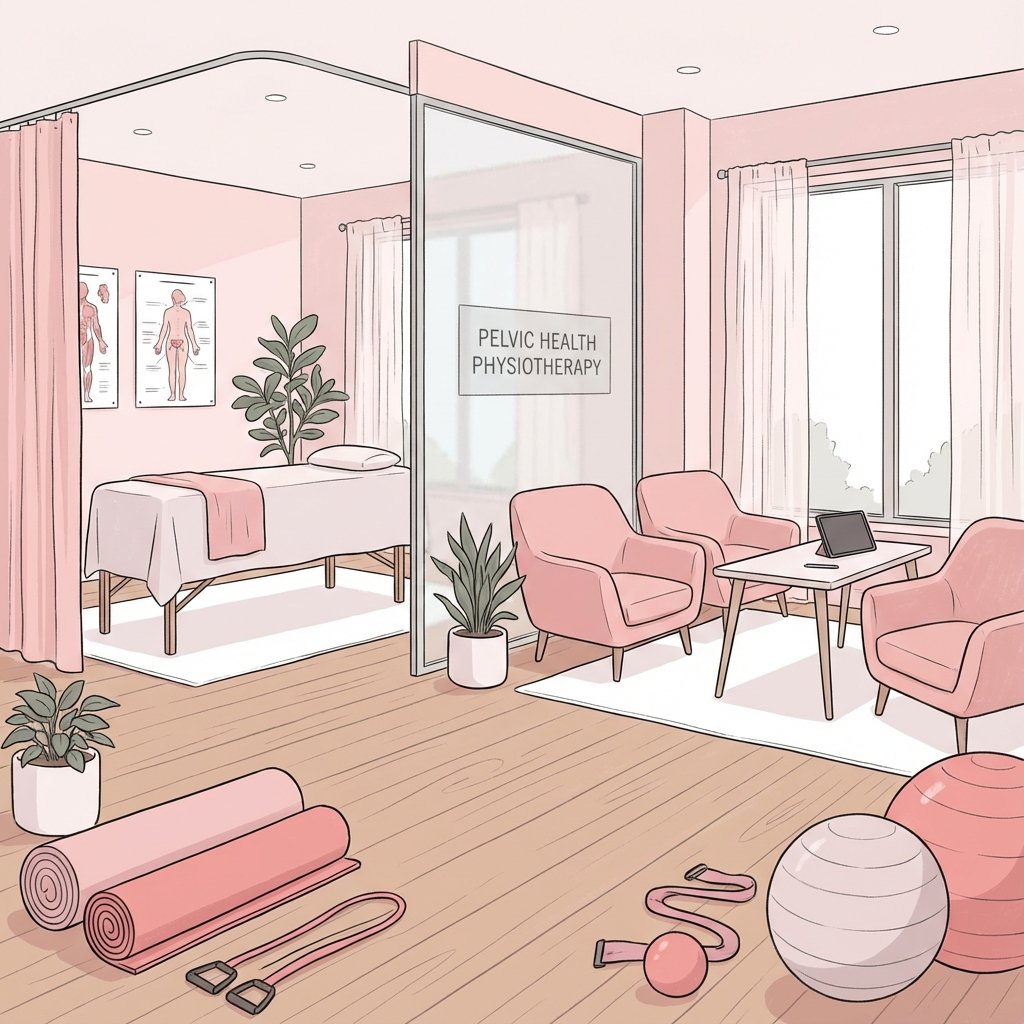
C-Section & Episiotomy Scar Management — Healing the Scar Nobody Talks About
Written by the Pelvicare Editorial Team
Medically reviewed by Dr. Sunita Patel (PT) Founder,
Pelvicare Health | Pelvic Floor Physiotherapist & Trainer
Last reviewed: April 2026
Nobody prepares you for what comes after.
After a C-section or an episiotomy, most women are told their scar will "heal on its own." And on the surface — it does. The skin closes. The stitches dissolve.
But underneath? The tissue, the fascia, the muscles — they often need help that nobody offers.
If your scar feels tight, numb, itchy, or painful. If your lower abdomen pulls when you move. If intimacy has become uncomfortable. If you still feel disconnected from that part of your body months or years later — this page is for you.
What Actually Happens With a C-Section or Episiotomy Scar?
A C-section involves cutting through seven layers of tissue — skin, fat, fascia, and muscle — before reaching the uterus. An episiotomy cuts through the perineum — the tissue between the vaginal opening and the anus — to assist delivery.
Both create scar tissue. And scar tissue, if left unaddressed, doesn't behave like normal tissue. It can:
- Stick to the layers beneath it — a process called adhesion
- Pull on surrounding structures — affecting the bladder, bowel, pelvic floor, and lower back
- Create areas of numbness, hypersensitivity, or chronic pain
- Restrict movement and contribute to back pain, pelvic floor dysfunction, and painful intercourse
This is why so many women feel "not quite right" for months or years after delivery — even when their scar looks healed from the outside.
Signs Your Scar Needs Attention
C-section scar signs:
- A visible shelf or overhang above the scar line
- Pulling, tightness, or pain when standing upright fully
- Numbness or hypersensitivity along or above the scar
- Pain during intimacy or a feeling of internal pulling
- Lower back or hip pain that started after your C-section
- Bladder urgency or leakage connected to scar tension
Episiotomy scar signs:
- Pain, burning, or stinging at the perineum during sitting, walking, or intimacy
- A feeling of tightness or puckering at the scar site
- Painful intercourse that started after delivery
- Perineal heaviness or dragging sensation
- Numbness or loss of sensation in the perineal area
If any of this sounds familiar — your scar needs rehabilitation, not just time.
Find a Postpartum Specialist →
When Can Scar Treatment Begin?
This surprises many women — scar rehabilitation can begin much earlier than most people think.
C-section scar: Gentle desensitisation around — not on — the scar can begin as early as 6 to 8 weeks post-surgery, once the wound is fully closed. Direct scar mobilisation typically begins at 8 to 12 weeks with specialist guidance.
Episiotomy scar: Gentle perineal massage and desensitisation can often begin at 6 weeks postpartum, once cleared by your doctor. Early intervention significantly reduces the risk of long-term painful intercourse and perineal tightness.
The earlier you start, the easier scar tissue is to treat. Fresh scar tissue responds faster than scar tissue that has been left for years — though treatment at any stage still produces meaningful results.
How Pelvicare Treats C-Section & Episiotomy Scare
Your Pelvicare specialist will assess your scar — its mobility, sensitivity, depth, and how it is affecting surrounding structures. Treatment is always gentle, consent-based, and entirely at your pace.
Treatment may include:
- Scar desensitisation — gradually reintroducing touch to numb or hypersensitive areas around the scar, restoring normal sensation
- Scar mobilisation — gentle manual therapy to release adhesions and restore normal tissue movement through the layers beneath the skin
- Fascial release — addressing restrictions in the connective tissue that connects your scar to the pelvic floor, bladder, and lower back
- Perineal massage guidance — teaching you safe self-massage techniques to continue at home
- Pelvic floor rehabilitation — because scar tissue frequently affects pelvic floor function, bladder control, and bowel health
- Core reactivation — rebuilding the deep abdominal connection that is disrupted by C-section surgery
- Return to intimacy guidance — addressing scar-related dyspareunia with sensitivity and care
Most women notice reduced tightness and improved sensation within 4 to 6 sessions. Full scar rehabilitation typically takes 6 to 12 weeks depending on the age and complexity of the scar.
It Is Never Too Late
One of the most common questions we hear at Pelvicare is: "My C-section was 3 years ago — is it too late?"
It is not. Scar tissue can be treated and improved at any stage — whether your scar is 6 weeks old or 10 years old. Older scars may take slightly longer to respond, but the results are still meaningful and life-changing for many women.
If you have been living with scar-related discomfort and assumed it was permanent — it almost certainly isn't.
What the Research Shows
- Up to 40% of women report chronic pain at their C-section scar site — yet fewer than 10% ever receive targeted scar treatment
- C-section scar adhesions are a recognised cause of bladder dysfunction, bowel issues, and chronic pelvic pain in postpartum women
- Perineal massage begun at 6 weeks postpartum significantly reduces long-term pain during intercourse (Cochrane Review)
- Women who receive early scar physiotherapy after C-section report significantly better core function, less back pain, and improved quality of life at 12 months postpartum
Scar Management Across India
Pelvicare has verified women's health physiotherapists specialising in C-section and episiotomy scar management across:
Delhi NCR — South Delhi, Gurgaon, Noida, Dwarka, Faridabad. In-person and online. Mumbai — Bandra, Andheri, Powai, Thane, Navi Mumbai. In-person and online. Bangalore — Koramangala, Indiranagar, Whitefield, HSR Layout, Jayanagar. In-person and online. Pune — Baner, Kothrud, Viman Nagar, Aundh, Koregaon Park. In-person and online.
Online consultations available for women across all cities in India.
Find a Specialist in Your City →
Also explore:
- Postpartum Recovery & Rehabilitation →
- Diastasis Recti Rehabilitation →
- Perineal Pain →
- Painful Intercourse (Dyspareunia) →
- Pelvic Floor & Bladder Health →
- Back Pain in Women →
Questions Women Ask About Scar Management
When should I start C-section scar massage?
Gentle touch around the scar can begin from 6 to 8 weeks once the wound is fully closed. Direct scar mobilisation with a physiotherapist typically begins at 8 to 12 weeks. The sooner you start, the easier the tissue responds.
Is C-section scar pain normal?
Some discomfort in the first weeks is expected. But ongoing pain, tightness, numbness, or pulling beyond 3 months is a sign your scar tissue needs targeted rehabilitation — not just more time.
Can my C-section scar affect my bladder?
Yes. Scar adhesions from a C-section can pull on the bladder and contribute to urgency, frequency, and leakage. If you have bladder symptoms alongside scar discomfort, a pelvic floor assessment is strongly recommended.
Can episiotomy scars be treated years later?
Yes. Scar tissue responds to treatment at any stage. Women who had episiotomies years ago and have lived with painful intercourse or perineal discomfort since — these symptoms are treatable.
Does scar treatment hurt?
Treatment is always gentle and entirely consent-based. Scar mobilisation involves light touch — nothing forceful or painful. Your specialist will always work within your comfort level and at your pace.
Where can I find a C-section scar specialist in India? Pelvicare has verified specialists in Delhi NCR, Mumbai, Bangalore, and Pune — with online consultations available across all of India. Find a specialist →
Your Scar Is Part of Your Story — But It Doesn't Have to Be a Source of Pain
You went through something significant. Your body deserves the care to fully heal from it.
Whether your scar is weeks old or years old — it is not too late.
Find a Postpartum Physiotherapist Near You →
Medically reviewed by Dr. Sunita Patel (PT), Founder, Pelvicare Health | Pelvic Floor Physiotherapist & Trainer. Last reviewed April 2026.
Pelvicare connects women across Delhi NCR, Mumbai, Bangalore, Pune, and all of India with verified women's health physiotherapists.
Other Postpartum Recovery & Rehabilitation treatments
Ready to Take the Next Step?
Schedule a consultation to discuss your specific needs.
Book Appointment